Platform 01 · Small · One-way attack (OWA)
Group 1 strike platform
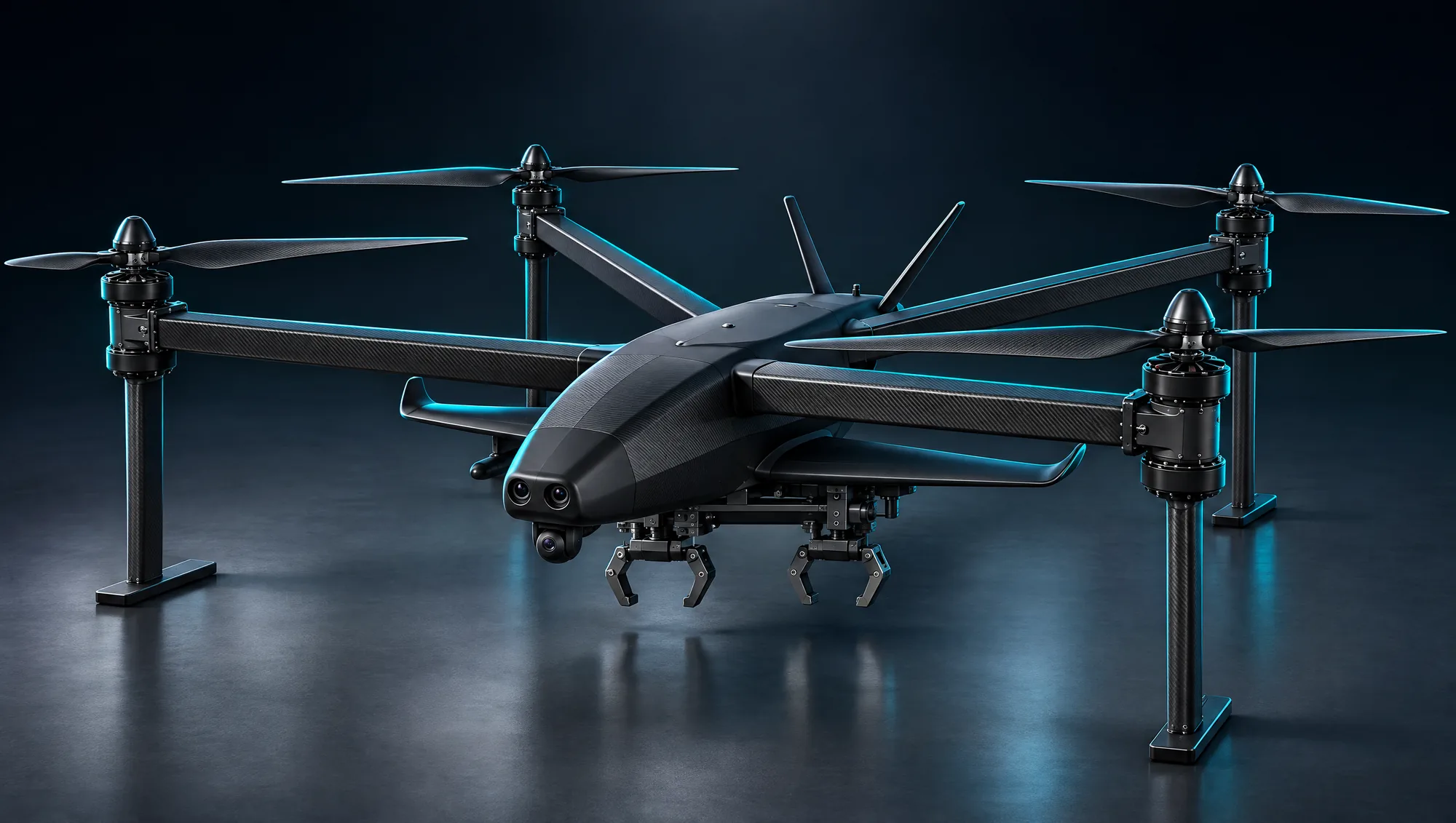
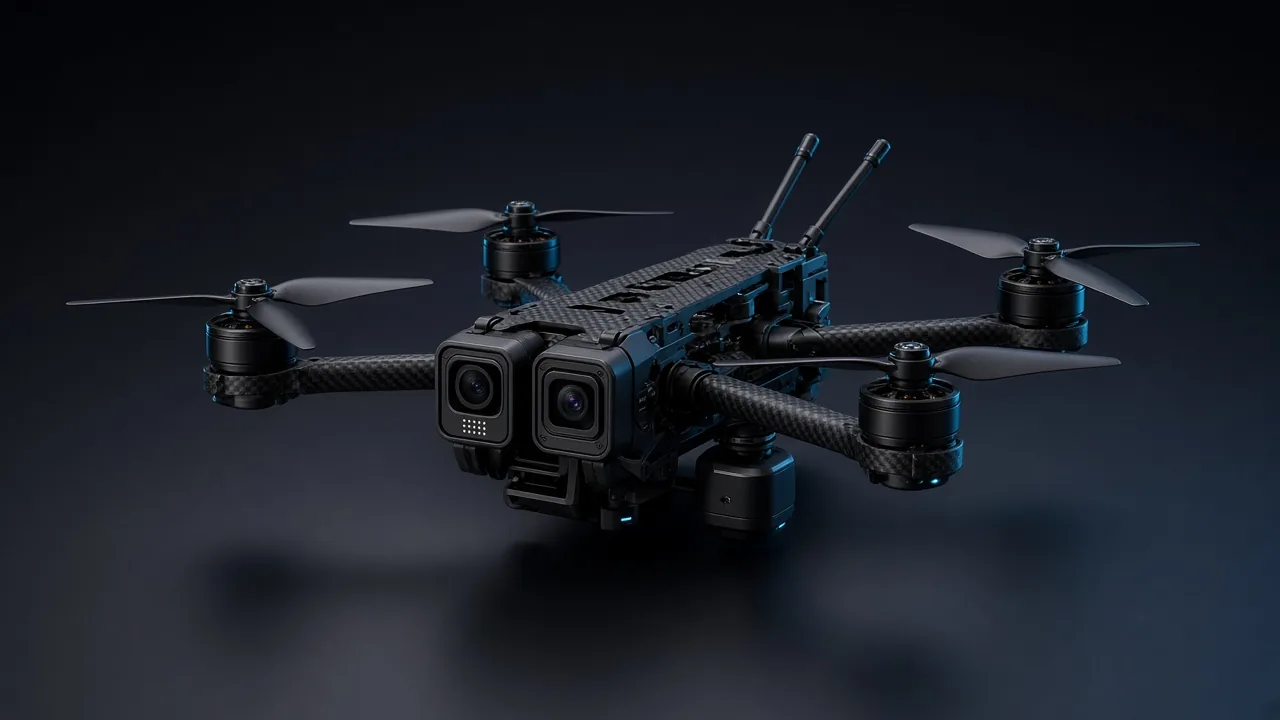
The smallest of the three: a first-person-view quadcopter with three-blade rotors, built to the attritable-systems economics the mission actually demands — low unit cost, a modular payload interface the using unit controls, and field repair without vendor involvement.
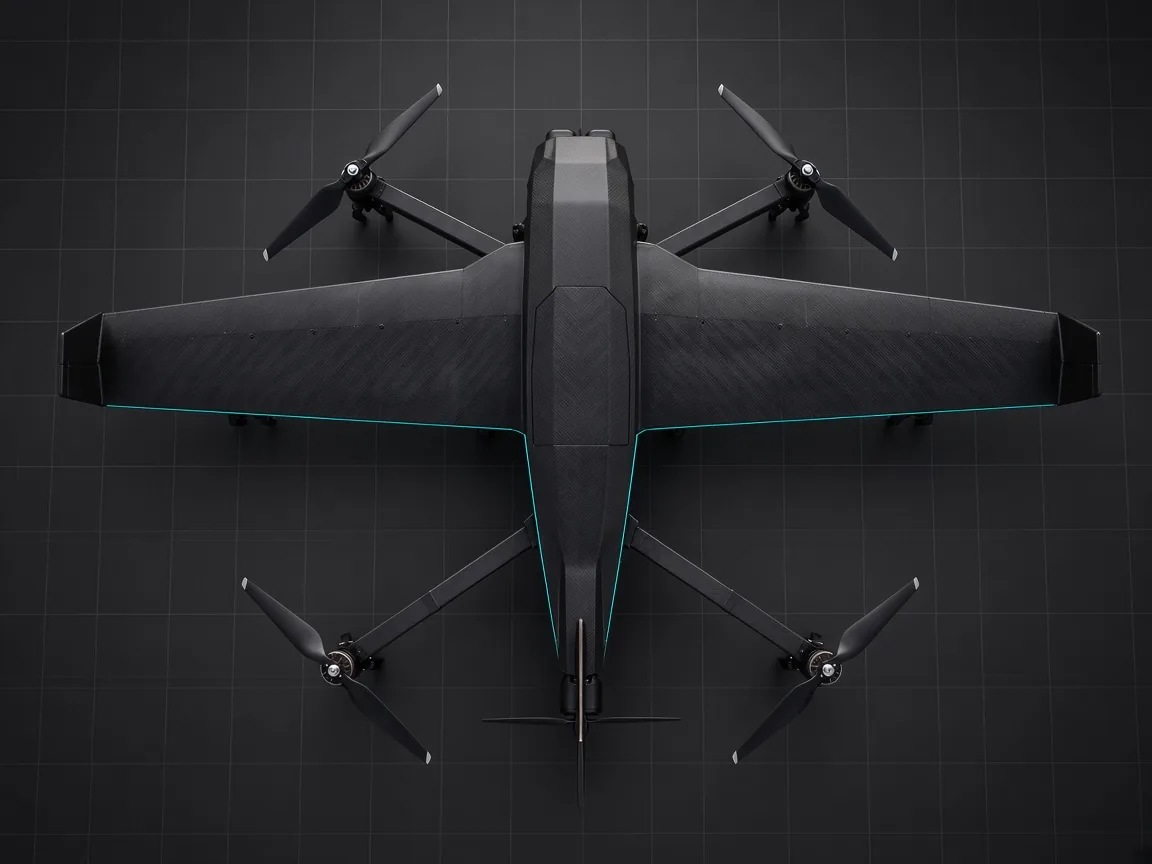
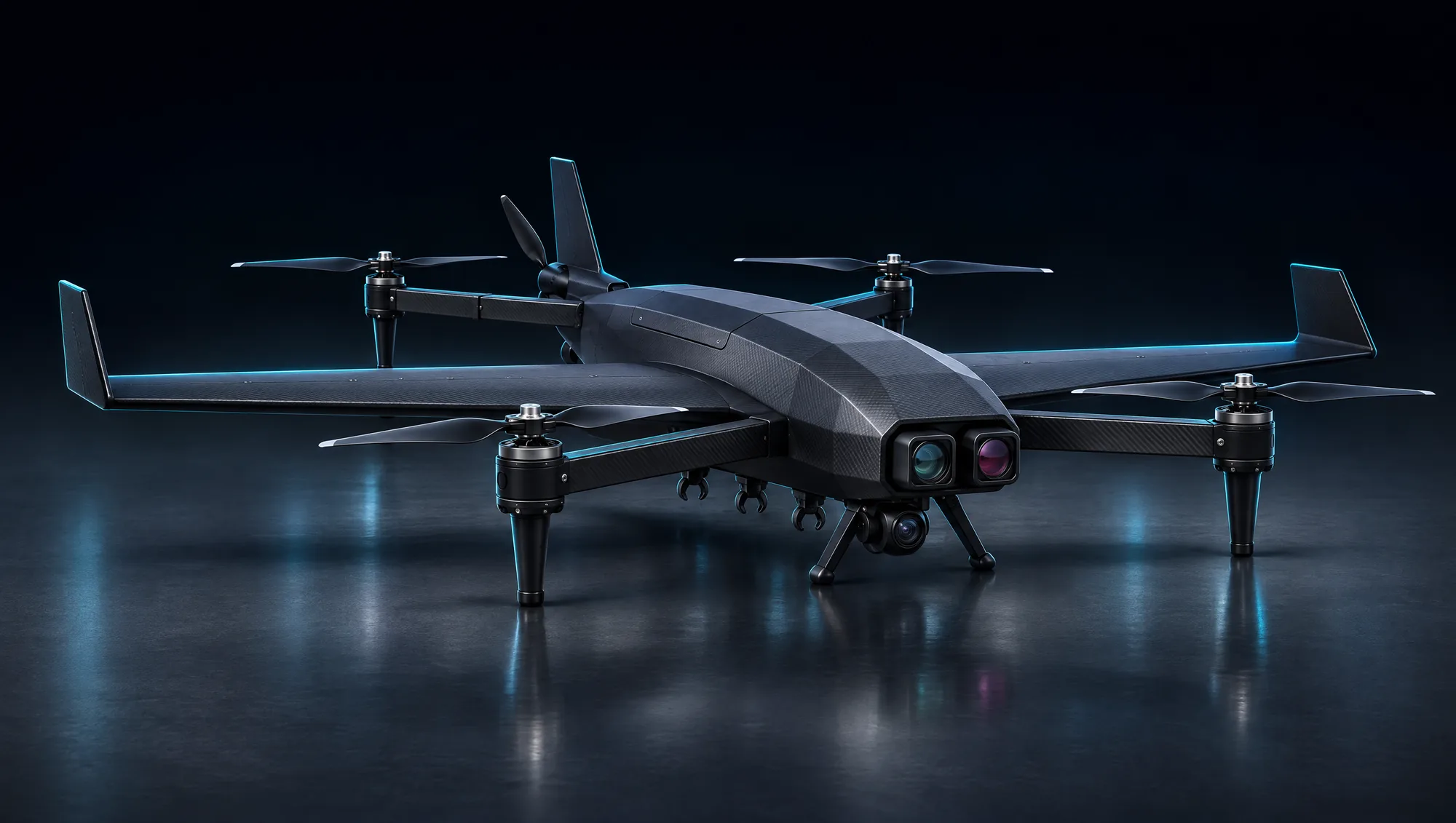
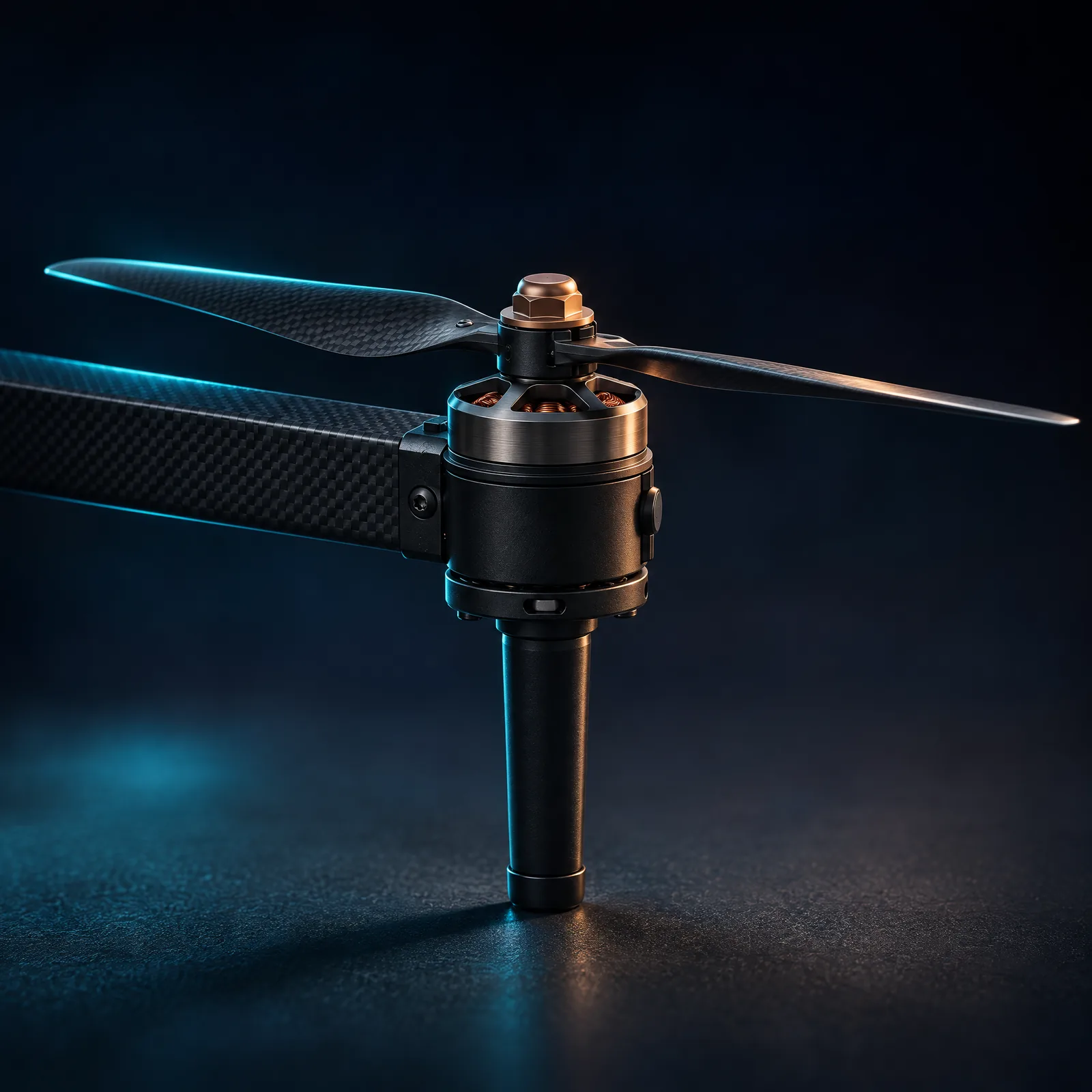
ConceptSmall attack quadcopter — renderings of the design concept, not photographs of a built aircraft.
Mission
Organic precision effects at the squad and platoon level, employed by the unit that owns the problem, without reaching back for an external fires asset. The design assumptions are contested airspace, degraded communications, and an operator who has minutes rather than hours.
Design approach
- Attritable by economics, not by slogan. Unit cost is a design constraint carried from the first CAD session, not a result reported at the end.
- Government-furnished effects. LeadTech supplies the airframe, the autonomy, and the integration. LeadTech does not manufacture, integrate, or supply energetics, warheads, or fuzing — effects payloads are government-furnished or supplied by a licensed integrator.
- Soldier-modifiable. A published interface control document — mechanical mounting, available power, data — so a unit can fit a third-party payload without calling us.
- Field-interchangeable by design. Line-replaceable arms, motors, propellers and batteries, common fasteners, and a repair kit that travels with the unit — swapped with common tools, without vendor involvement.
- Navigation without GPS. Visual-inertial navigation so the aircraft keeps navigating when GNSS is jammed or spoofed.
- Link-degraded behaviour. The platform is designed to continue executing its commanded task when the control link is jammed or lost, rather than aborting.
| DoD UAS group | Group 1 |
|---|---|
| Configuration | Quadrotor, three-blade propellers; first-person-view control |
| Sensors | Two forward cameras — thermal and day/night vision |
| Antennas | Twin rear-mounted datalink antennas |
| Gross weight class | Under 20 lb MGTW |
| Payload interface | Modular, published ICD; government-furnished effects |
| Launch | Man-portable, one-operator, no launcher required |
| Control | Operator-in-the-loop with autonomous terminal behaviour on link loss |
| Navigation | GNSS with visual-inertial fallback for GPS-denied operation |
| Field maintenance | Line-replaceable modules, interchangeable in the field with common tools |
| Architecture | Open — accepts government-furnished radios, payloads, and autonomy software |
| Supply-chain design basis | FY2020 NDAA § 848, FY2023 NDAA § 817, American Security Drone Act (FY2024 NDAA §§ 1821–1826) |
| Program status | Design phase — no prototype flight-test results published |